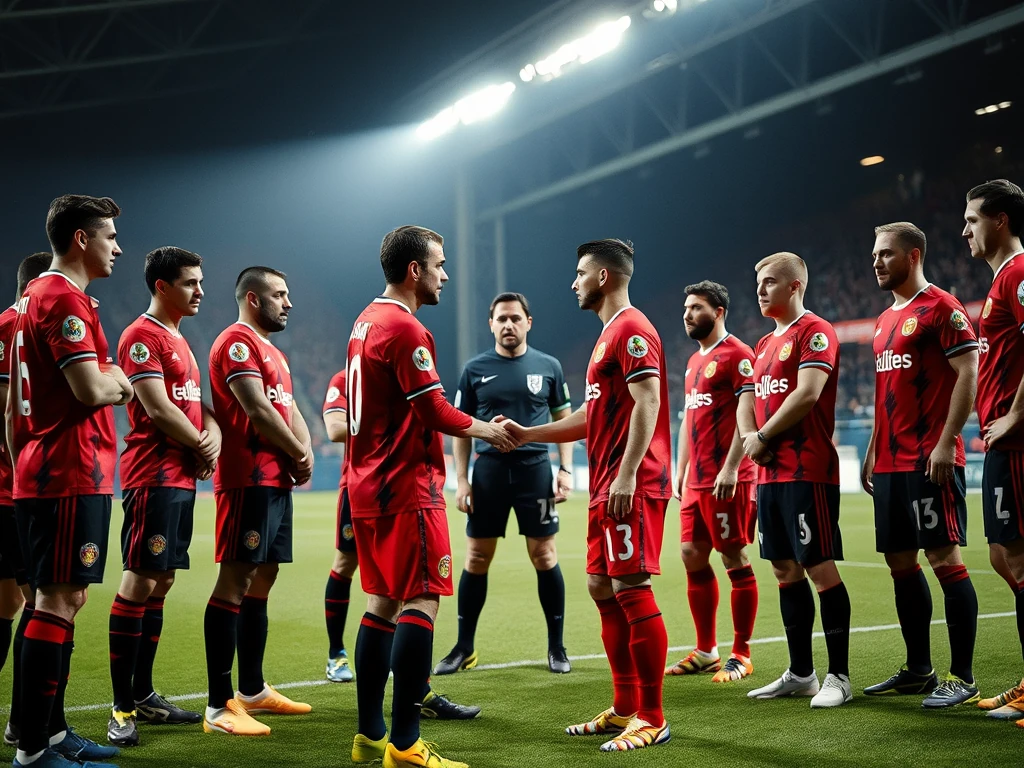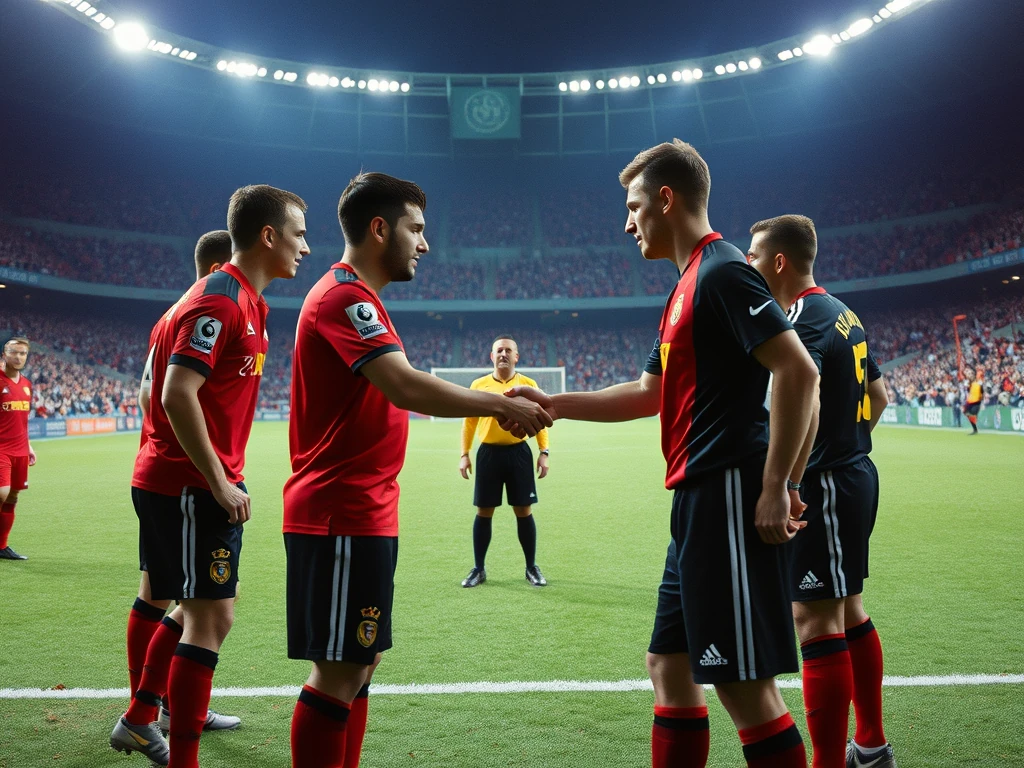
The 1998-1999 season was a turning point for RCD Mallorca. After years of ups and downs, the bermellón club achieved a spectacular performance that culminated in its first participation in European competitions. Under the guidance of their tireless coach, Héctor Cúper, the team secured a fourth place in La Liga, which allowed them to access the UEFA Europa League, known at that time as the UEFA Cup.
The team benefited from a talented squad, including players like Iñaki Bea, powerful forward Dani, and midfielder Juan Carlos Rodríguez, who became key pieces in the club's history. The chemistry in the dressing room and the tactical solidity implemented by Cúper were essential for this achievement. Every match was a battle in which the bermellones demonstrated their quality and determination, always keeping their eyes on the goal of reaching Europe.
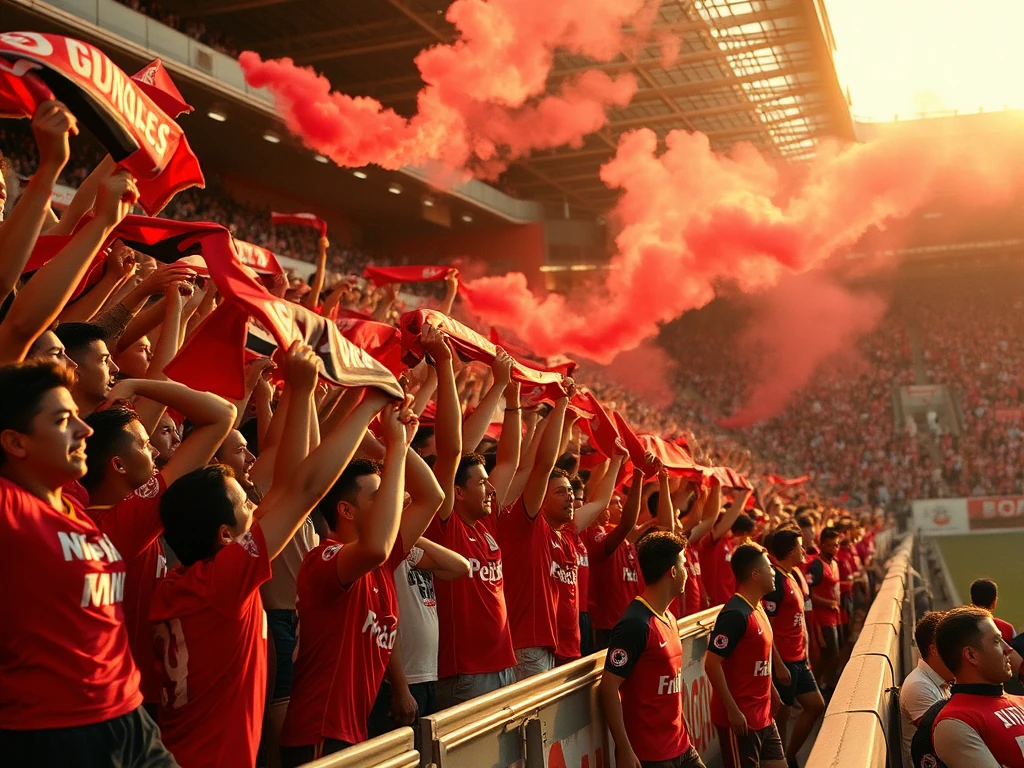
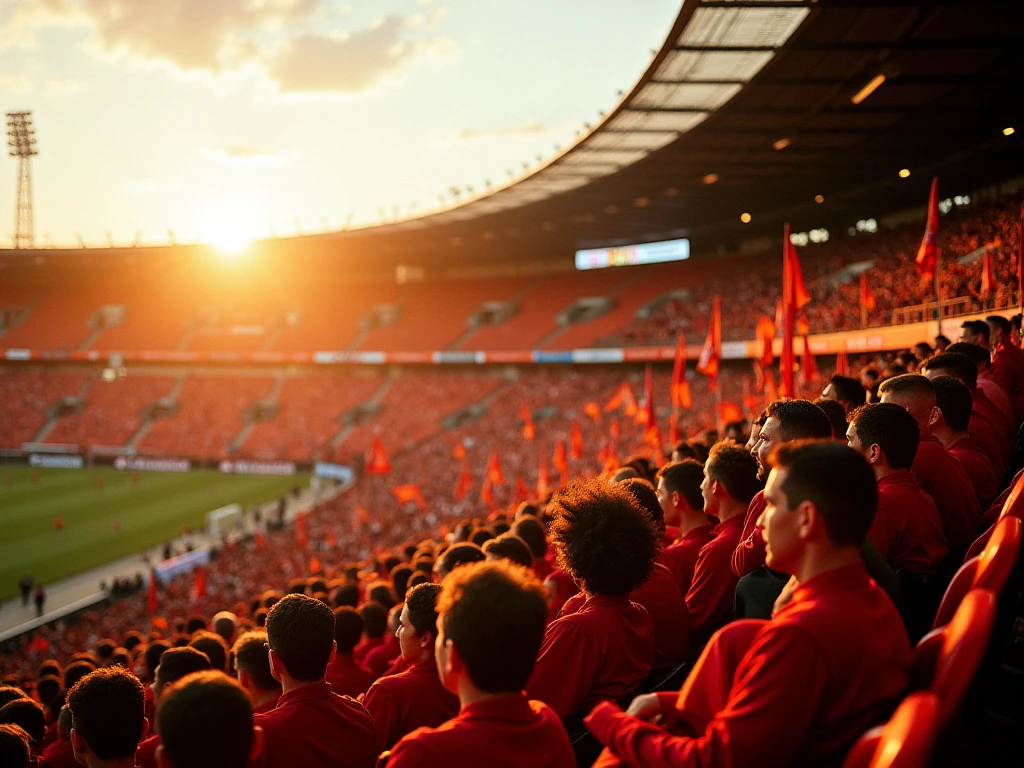
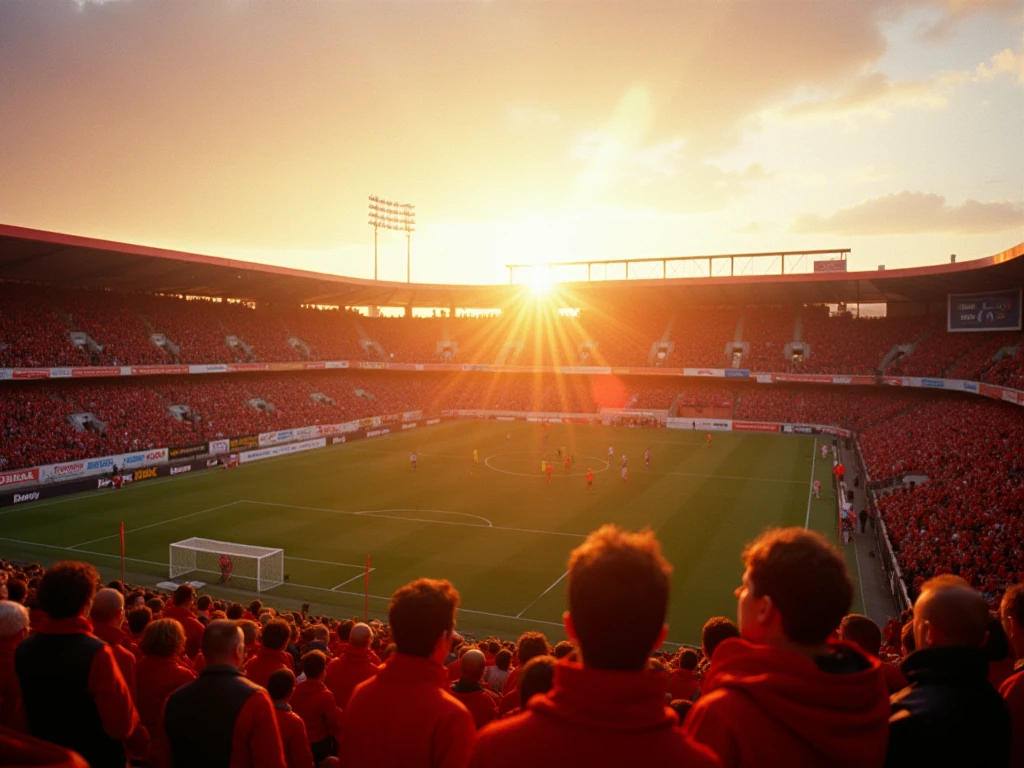
The journey to European qualification was not without challenges. There were moments of tension and pressure, but the team responded with character, achieving memorable victories against high-caliber rivals. The fans, loyal and passionate, filled the Estadio de Son Moix, pushing the players in every match and creating an electrifying atmosphere that is remembered to this day.
When the final whistle blew on the last matchday, euphoria erupted in the stands. RCD Mallorca had not only secured their place in the elite but had also proven to be a club with ambitions and a bright future. Participating in the UEFA Cup was a reward for perseverance and collective effort, and although the team faced tough opponents in the competition, every match was a celebration of football and a showcase of the bermellones' worth.
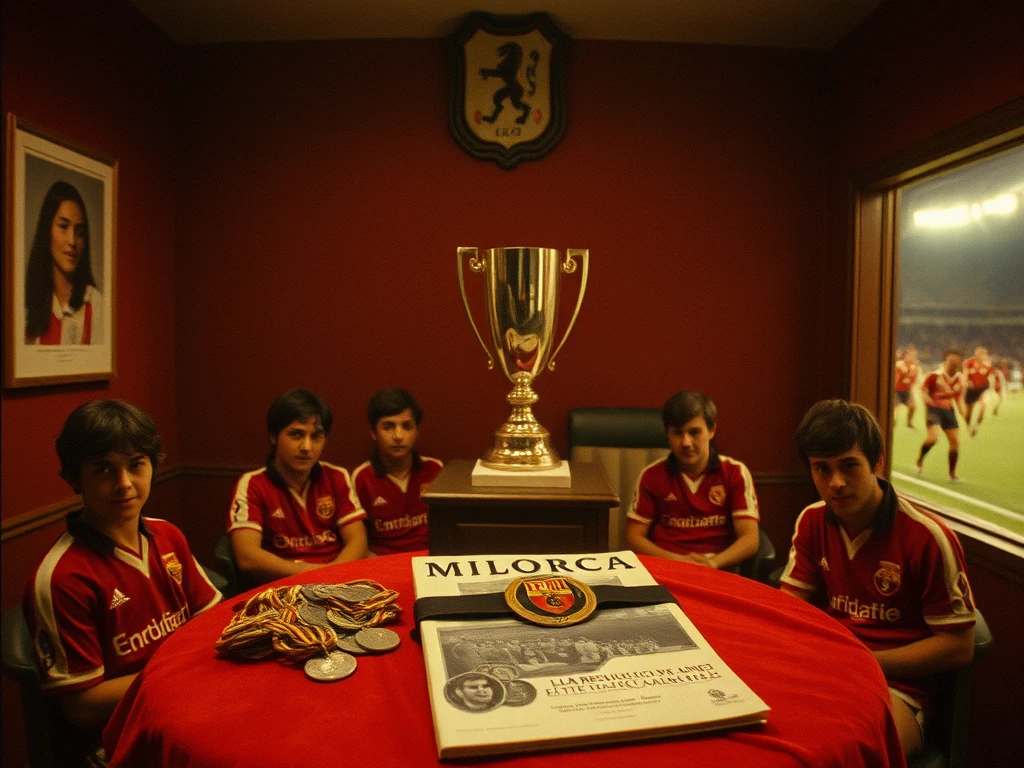
The impact of this achievement transcended the season. The European qualification helped establish RCD Mallorca as a serious contender in Spanish and European football. The story of that season remains alive in the memory of fans, who proudly recall how their team fought and earned a place in the history of the sport. The revolution of 1999 not only marked a new chapter for the club but also cemented its legacy in the history of Spanish football.